.png?width=298&height=78&name=sierra-logo%20(1).png)
![SIERRA-Logo [Navy]](https://www.sierraventures.com/hubfs/SIERRA-Logo%20%5BNavy%5D.svg)


 Back
Back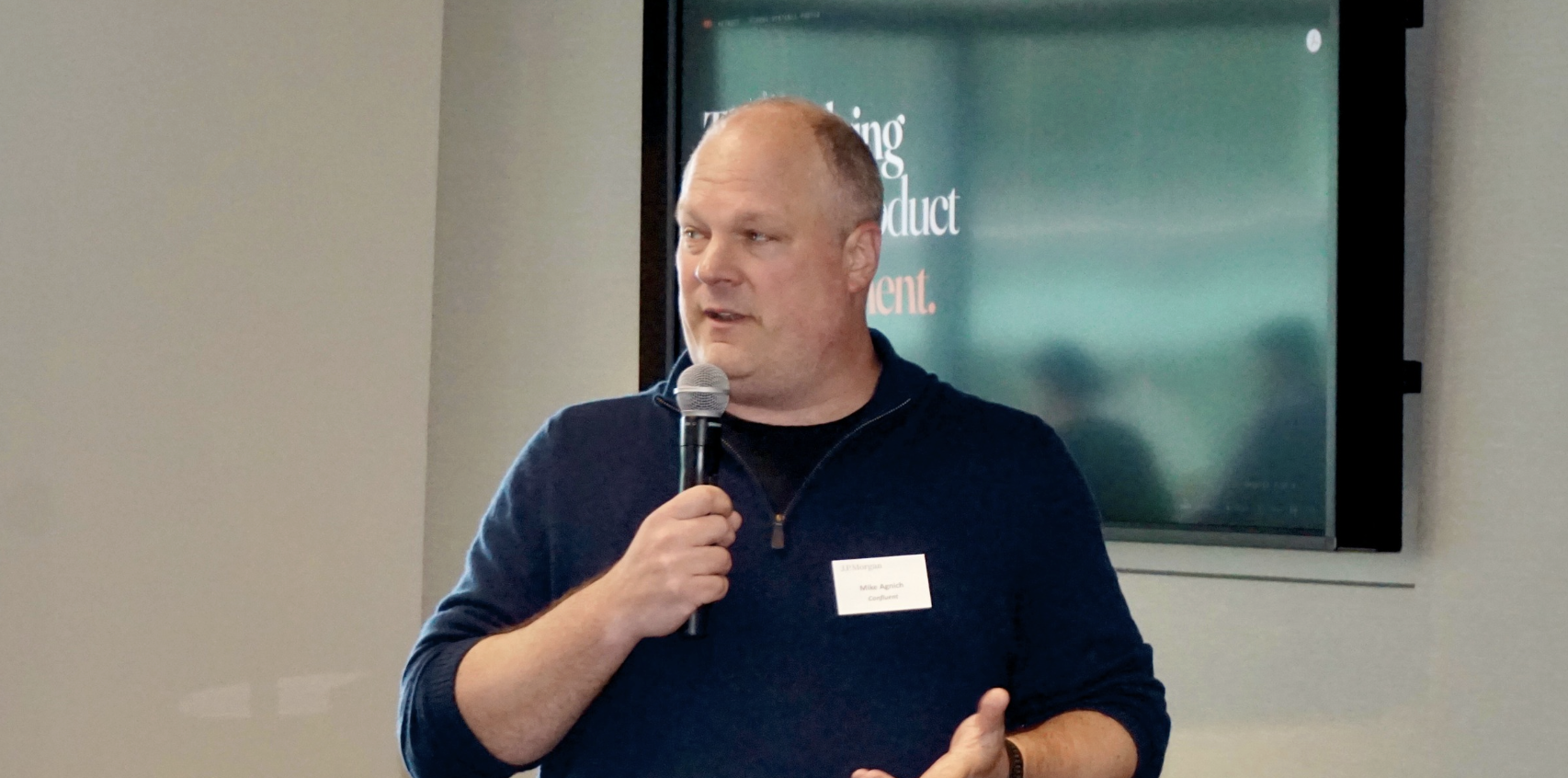
Written by
Anne Gherini
Published on
May 12, 2026
Share


SIERRA Ventures Portfolio & EPL Session
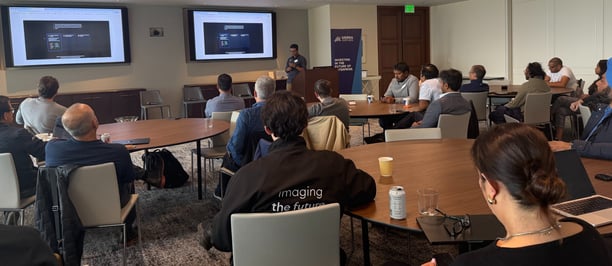
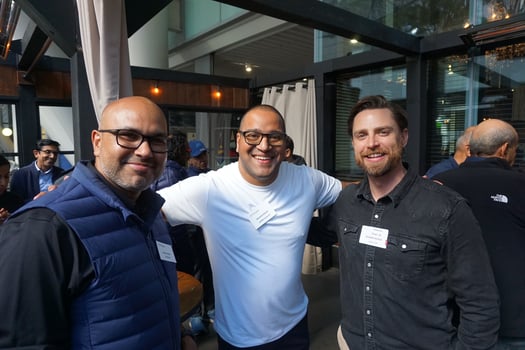
Over 50 technical leaders from companies including Confluent, NVIDIA, Together AI, Box, ServiceNow, DoorDash, and more joined our portfolio founders for a working session on how Claude is changing how software teams operate.
The goal was straightforward. Not predictions. Not tooling comparisons. We asked engineering and product leaders what they have already changed inside their teams.
Across the Sierra portfolio, companies are moving quickly to adapt workflows around coding agents. At the same time, members of our EPL Council are navigating similar shifts inside scaled enterprise environments. Bringing those two groups together provides a clearer view of what is happening across engineering organizations right now.
Several patterns stood out.
Everyone becomes a builder
One of the strongest signals from the session was that implementation is no longer limited to engineering teams.
Leaders shared examples of product managers shipping interface improvements themselves, designers contributing production-ready changes, and analytics teams modifying internal tooling without waiting for sprint allocation. Work that historically waited behind roadmap priorities is now getting implemented directly by the teams closest to the problem.
This shift is changing expectations across functions. The boundary between deciding what to build and building it is narrowing.
Documentation is becoming part of the execution layer
Another theme that surfaced repeatedly was the role of documentation.
Teams are restructuring how knowledge is stored so agents can operate effectively inside their environments. Instead of long requirements documents living outside the codebase, knowledge is increasingly moving closer to implementation workflows. In several organizations represented in the session, Git is becoming the interface where product thinking and execution meet. Teams are experimenting, but not satisfied.
This reduces translation friction between teams and shortens iteration cycles.
Adoption accelerated when expectations became explicit
Many teams initially assumed usage would spread organically through experimentation. That was not the pattern leaders described.
Adoption moved quickly once expectations were set clearly and usage became part of how teams operate day to day. In several cases shared during the discussion, adoption shifted across entire organizations within weeks once workflows changed.
This mirrors what we are hearing across Sierra’s broader enterprise network. Coding agents are behaving more like a platform shift than a developer tool rollout.
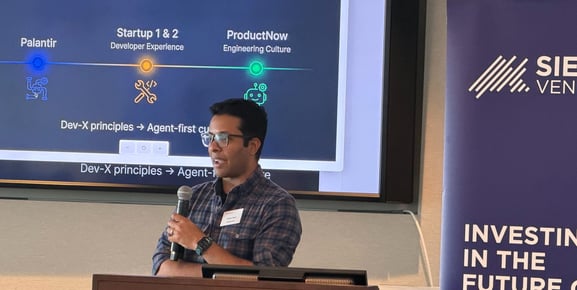
Strategy and spec review is becoming the new constraint
As implementation accelerates, review capacity is emerging as the limiting factor.
Leaders described spending more time evaluating architectural decisions and system boundaries rather than validating individual lines of code. Several teams are experimenting with new review structures because traditional pull request workflows were designed for a different pace of development.
This is quickly becoming one of the most important workflow questions engineering leaders are working through.
Product polish is no longer competing for roadmap space
Another practical signal from the session was what is happening to smaller improvements.
Interface refinements, usability improvements, and quality-of-life features that historically struggled to compete for sprint time are now getting implemented directly by product and design teams. Over time, these changes are compounding into measurable product quality gains without additional engineering allocation.
Teams are beginning to see this as one of the earliest visible benefits of agent-supported development.
Large programs remain unchanged for now
While feature-level velocity is increasing, leaders were consistent about where change has not happened yet.
Large platform transitions and multi-quarter engineering initiatives still follow traditional execution models. Teams are experimenting, but there is not yet a shared approach for how coding agents reshape complex system-level work.
That gap stood out across the conversation.
Why Sierra brings engineering leaders together
Across the Sierra portfolio, founders are navigating the same workflow decisions enterprise teams are making at scale. Sessions like this are designed to surface those signals early.
Through our Engineering and Product Leaders Council and our CXO Advisory Board, Sierra connects founders directly with practitioners who are already adapting their organizations around these changes.
The most useful insight right now is not what coding agents might change in the future. It is what engineering leaders have already changed this quarter.
Written By

.jpeg)