.png?width=298&height=78&name=sierra-logo%20(1).png)
![SIERRA-Logo [Navy]](https://www.sierraventures.com/hubfs/SIERRA-Logo%20%5BNavy%5D.svg)


 Back
Back
Written by
Anne Gherini
Published on
September 30, 2026
Share


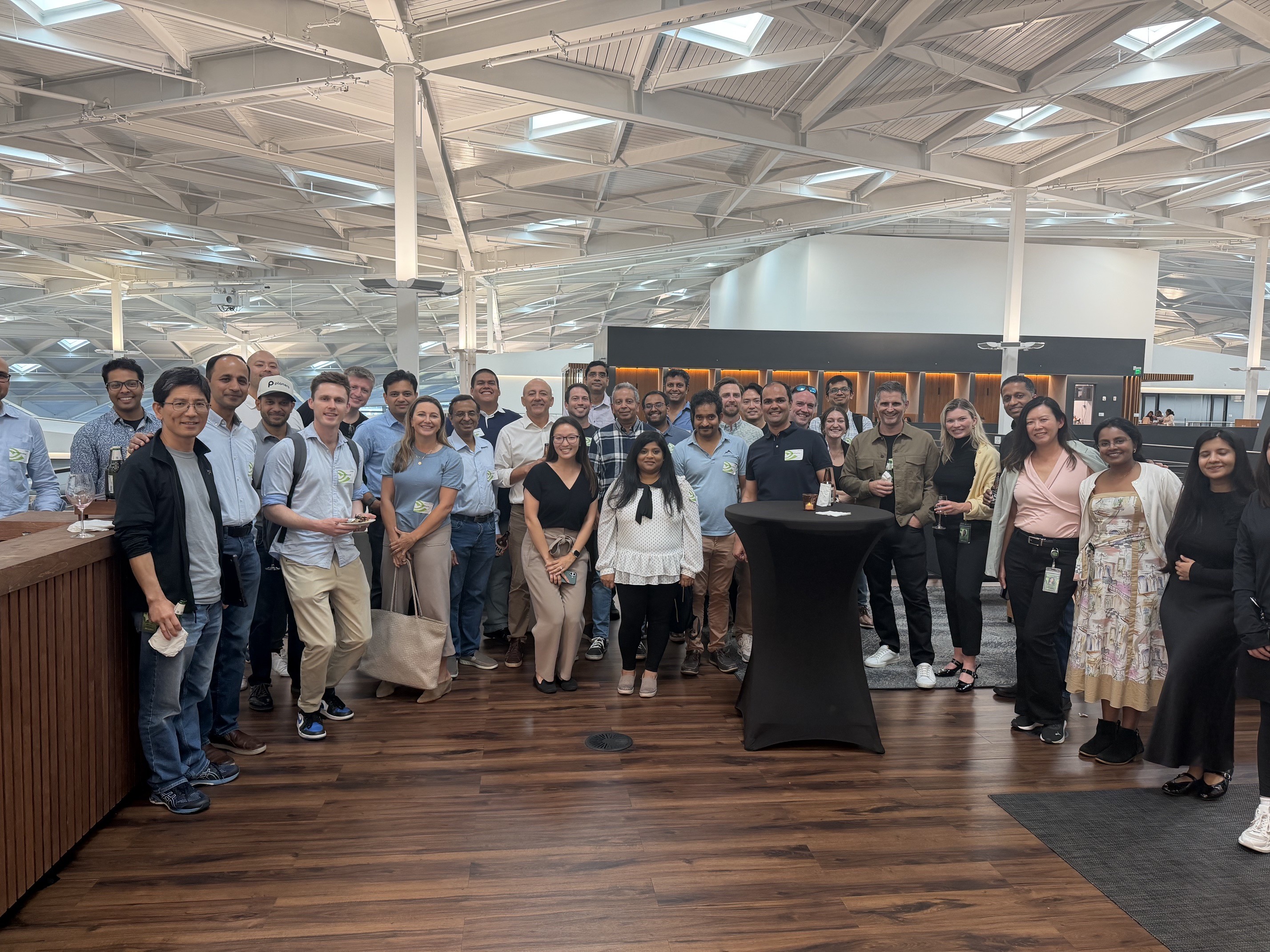
The Sierra Ventures CXO Summit returned for its 21st year, bringing together Fortune 1000 CIOs and CTOs, technology leaders, and our portfolio founders.
A year ago, the conversation was about getting AI out of pilots. This year, speakers kept circling a harder question. What do you do when the models get better faster than your organization can keep up?
Anthropic Labs co-lead Mike Krieger kicked off the event. He was joined by Cerebras co-founder and CEO Andrew Feldman, Databricks co-founders Ion Stoica and Patrick Wendell, Cisco President Jeetu Patel, and leaders from OpenAI, SemiAnalysis, Together AI, Reflection AI, Skild AI, and more. Few of them said the models were holding them back. Most of the day went to context, trust, compute, and deciding what not to build.
Build for the Model That's Coming
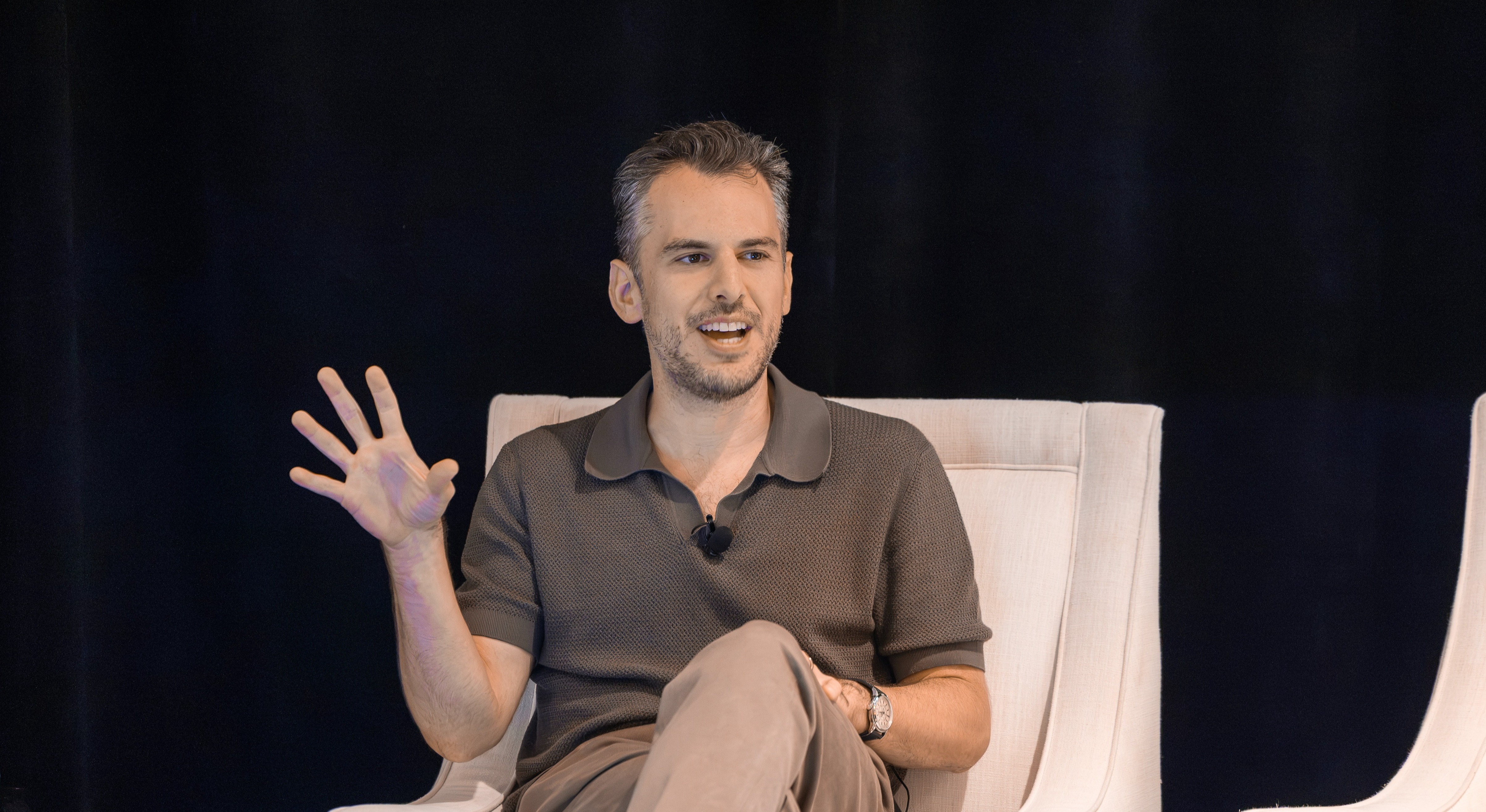
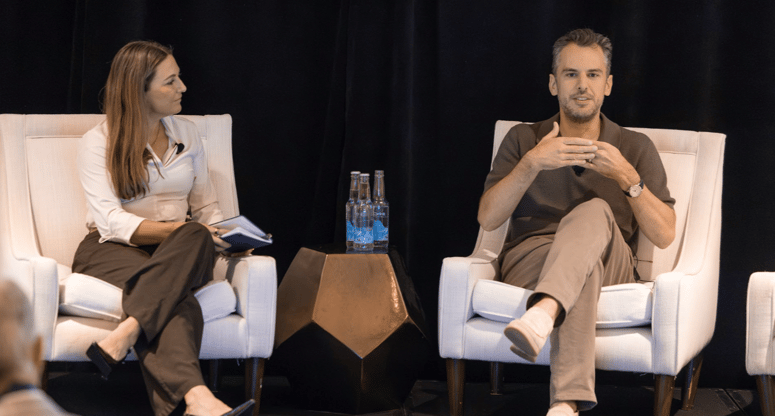
Mike Krieger was a natural choice to open the day. He co-founded Instagram and stayed on as its CTO for six years after Facebook acquired it. He was later recruited to be Anthropic's Chief Product Officer during some of its most influential years, and now co-leads Anthropic Labs.
Krieger argued that the right way to build is for the model that will exist a few months from now, not the one you have today. He offered a simple way to think about it: what the model can do on its own, what it can do with careful scaffolding and prompting, and what it can do with a human stepping in at the right moments.
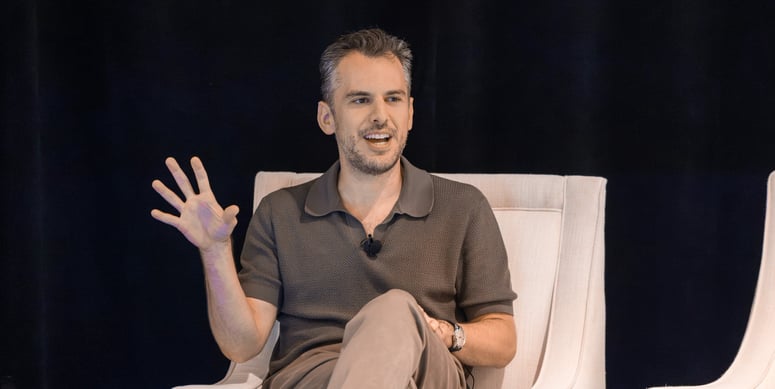
Engineering the space between those layers captures real value, but that value is temporary. His own team spent months building a system of builder and verifier agents to turn a simple request into a complete app. A few months later, a newer model with no special scaffolding outperformed it.
"You can't hold your product shapes too strongly," Krieger said. "You have to hold them lightly because they may just go away over time." That idea, that today's workaround may be obsolete by next quarter, set the tone for every session that followed.
Compute Meets the Physical World
Compute was the one constraint every lab and enterprise on stage shared. OpenAI's VP of Compute Strategy and GPT-Infra, Sachin Katti, said the need for compute keeps outpacing what can be built, and he sees no sign of scaling slowing down. The data centers behind those models still depend on permits, power, transformers, and construction crews, and none of that moves at software speed.
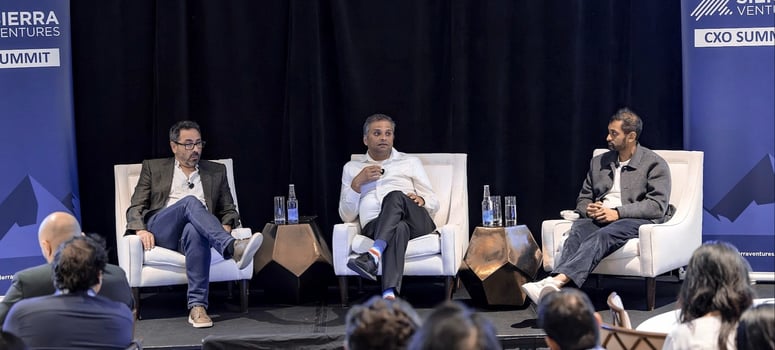
SemiAnalysis founder Dylan Patel, who moderated the panel, also pushed back on the idea that running AI on your own laptop or phone is more efficient than the cloud. Data centers can serve many users on the same chip at once, he said, which makes them cheaper and more power-efficient than any personal device.
Cerebras, which went public this year, CEO Andrew Feldman said data center builders have to earn local support. "There's no reason that a data center ought not to be a good neighbor," he said, pointing to the high-paying construction jobs and tax revenue these projects bring to local communities. An elected official in the audience backed him up, describing how a manufacturer won local support by investing in the county's schools.
The physical world is also AI's next frontier. Skild AI, currently valued at over $14B, co-founder and CEO Deepak Pathak explained Moravec's paradox: what humans find hard is easy for machines, and vice versa. A robot backflip is easy. Climbing an arbitrary flight of stairs is hard, because it takes perception and real-time adjustment. With no internet-scale data for robotics, Skild pre-trains on simulation and human video, post-trains with teleoperation, and feeds deployment data back into the model.
Mind the Deployment Gap
The question Krieger said he can't yet answer came up all day: the gap between what models can do and how most people use them. He hears that gap is growing, and worries it will widen the divide between people who get it and people who use AI mainly for email. Katti agreed the capabilities far exceed what people know how to use, calling it a product gap rather than a model gap.
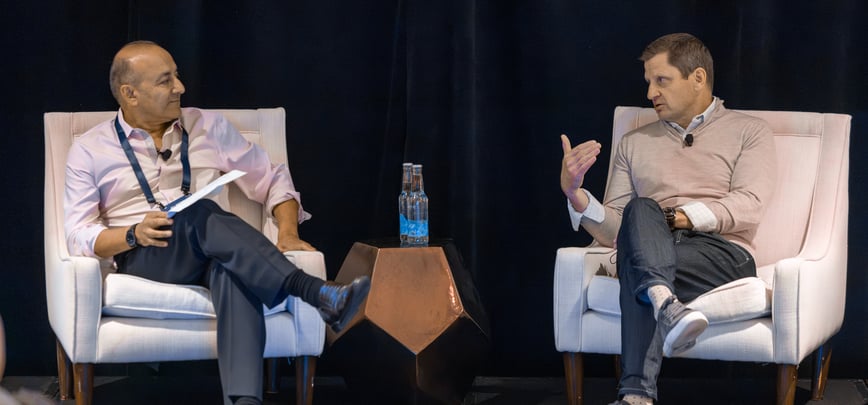
Cisco President and Chief Product Officer Jeetu Patel believes personal agents will close it fast, creating a second ChatGPT moment. Cisco has already given every employee an agent. IBM President Rob Thomas argued the gap is often a leadership problem. Most companies want to "do AI" without a clear ambition for why.
Context Is the Moat
If raw intelligence is abundant, the advantage shifts to what the model knows about your business. Databricks co-founder Patrick Wendell admitted that many models now out-reason him when given the same information. What they lack is the implicit context every employee absorbs just by working inside a company, from who owns what to how decisions actually get made. In his words, "The collective intelligence of every employee of your company is the IP of your company." Atlassian's Chief Product and AI Officer Tamar Yehoshua sees the same pattern: the more issues, design docs, and recordings a model can draw on, the better it understands the organization and the fewer mistakes it makes.
If that context is the real asset, enterprises want to keep it in a model they control. For Together AI Chief Product Officer Charles Zedlewski and Reflection AI VP of Product and Head of Open Source Joe Spisak, that makes open-weight models the only practical way to build proprietary know-how into AI. Zedlewski added that an open harness may matter even more than open weights. Fifth Third Bank CIO Jude Schramm applies the same build-versus-buy logic: own the IP for the customer experience, and buy everything else.
Trust Is the Unlock, Not the Brake
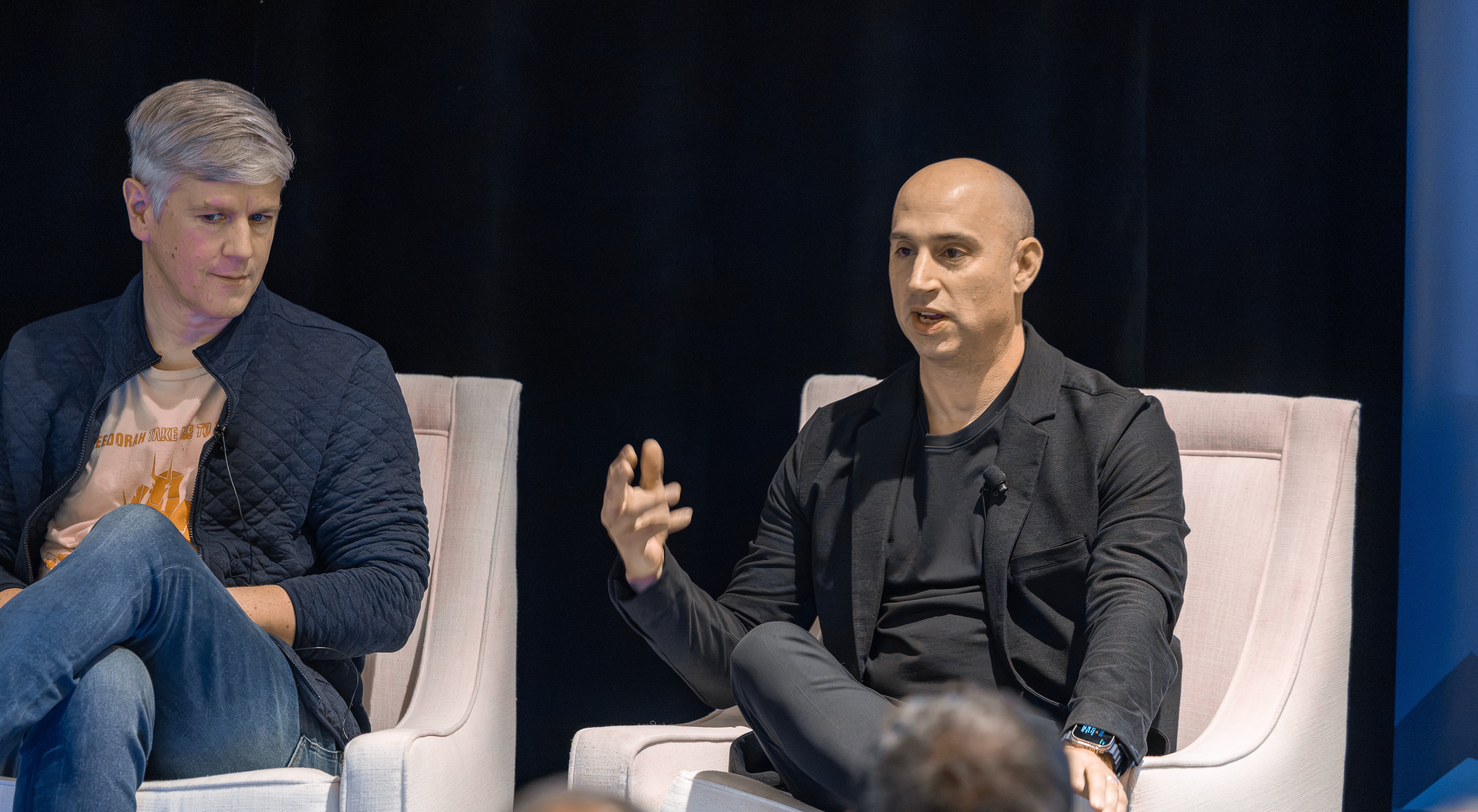
Security came up in nearly every session, framed less as a reason to slow down and more as the thing that lets enterprises go faster. For Cisco's Patel, however fast a company moves on AI, safety and security have to move faster, because trusted delegation to agents is what unlocks productivity. He compared agents to teenagers: "supremely intelligent, they have no fear of consequence, and they exercise bad judgment far more frequently than you, and I would like," which is why he wants guardrails and runtime monitoring rather than only design-time checks.
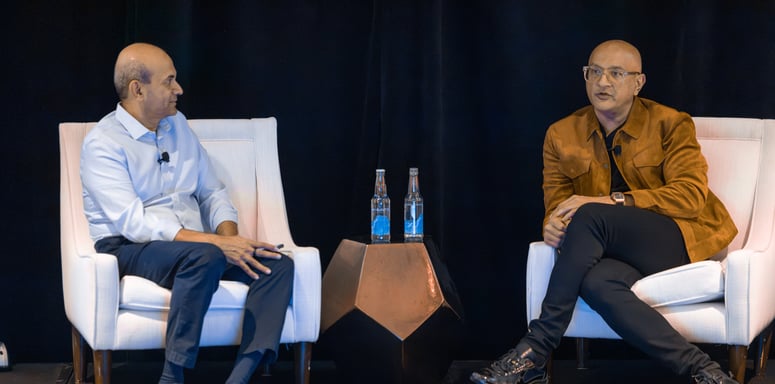
The harder part is finding the balance. Lock agents down so tightly that they ask permission for everything, and people start clicking yes without reading. Skip permissions entirely, and you lose control. Krieger's team landed in between, with a classifier that handles routine approvals and escalates only the cases that need a human. Wendell added that what counts as safe depends on the company: a step that's perfectly reasonable for a hobbyist can be a serious breach inside an enterprise, so guardrails have to reflect each company's own rules.
SaaS Strikes Back, With a New Price Tag
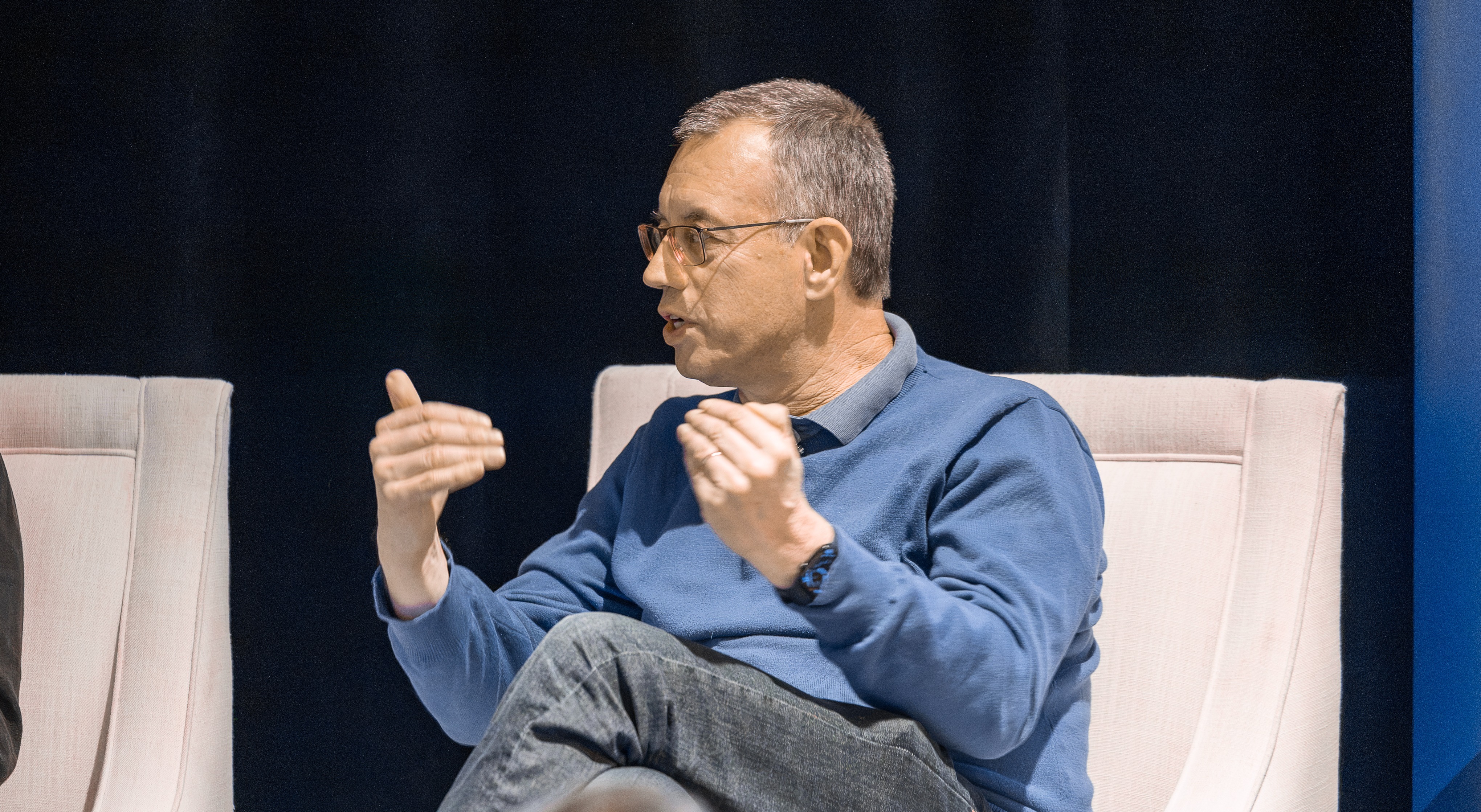
Earlier this year, many predicted enterprises would simply vibe-code their way out of their software stacks. Krieger called the death of SaaS "greatly exaggerated," and the room largely agreed. Companies still want their data in secure systems of record with clear provenance, and at a bank like Fifth Third, those systems are woven into how the business runs. What's changing is the layer on top. At Atlassian, opening its products to outside agents has driven more usage, not less.
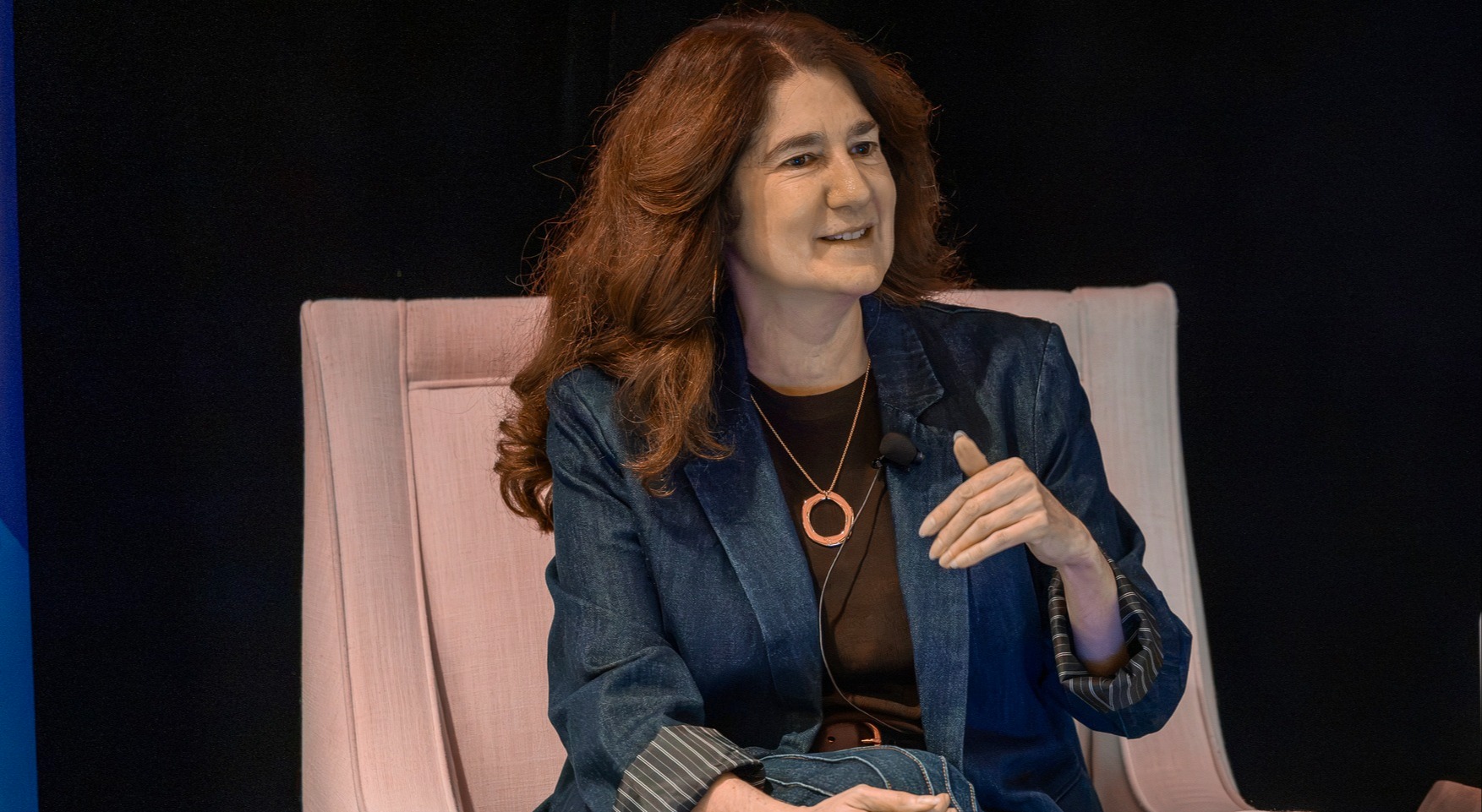
The real pressure is pricing. As renewals shift from seats to usage, CIOs like Schramm are rethinking how they measure software value and taking a fresh look at build versus buy. IBM's Thomas showed another path. The company put an AI layer called Ask HR on top of its HR system, and once employees relied on it, quietly replaced the system underneath.
Software isn't going away, but the interface is changing. The enterprise apps panel agreed applications will still have a UI in 2027, and Yehoshua expects it to matter even more as the place where people and agents work together.
The Human Equation
Speakers agreed that technology is the easier half of the problem. Cisco's Patel said the technology is not the hard part. Culture is. When his engineers resisted AI coding tools out of fear for their jobs, he gave them unlimited tokens to get familiar, and a guarantee: they would lose their jobs if they didn't use AI. Cisco also reorganized around far fewer middle managers and more individual contributors, so people tie their identity to what they build rather than whom they manage. Anthropic's Krieger described the same shift in his own work. He used to pride himself on writing great code. Now his value is taste: deciding what to build, for whom, and what trade-offs to make.
IBM's Thomas said his biggest cultural challenge was risk aversion, a company where everyone had become a checker or a preventer, and that growth is impossible without risk. Databricks' Wendell added a reminder for founders in the room: success is never a smooth curve, whatever social media suggests.
Looking Ahead
The pace of model progress means the enterprise AI playbook now has a short shelf life. Across labs, infrastructure providers, and enterprises, the leaders on stage kept returning to the same few moves: set a clear ambition before choosing tools, invest in the context and security layers that let agents act safely, and hold your product shape lightly. Thank you to every speaker and attendee who made our 21st CXO Summit one to remember.
Written By