.png?width=298&height=78&name=sierra-logo%20(1).png)
![SIERRA-Logo [Navy]](https://www.sierraventures.com/hubfs/SIERRA-Logo%20%5BNavy%5D.svg)


Written by
Anne Gherini
Published on
October 4, 2026
Share


Summary

The browser is becoming the primary interface for knowledge work, shifting AI from search to an active work companion.
In an AI-rich world, the ability to ask good questions and earn trust matters more than generating outputs.
Real AI adoption is cultural, not technical, and comes from changing how teams work, not just what tools they buy.
Share


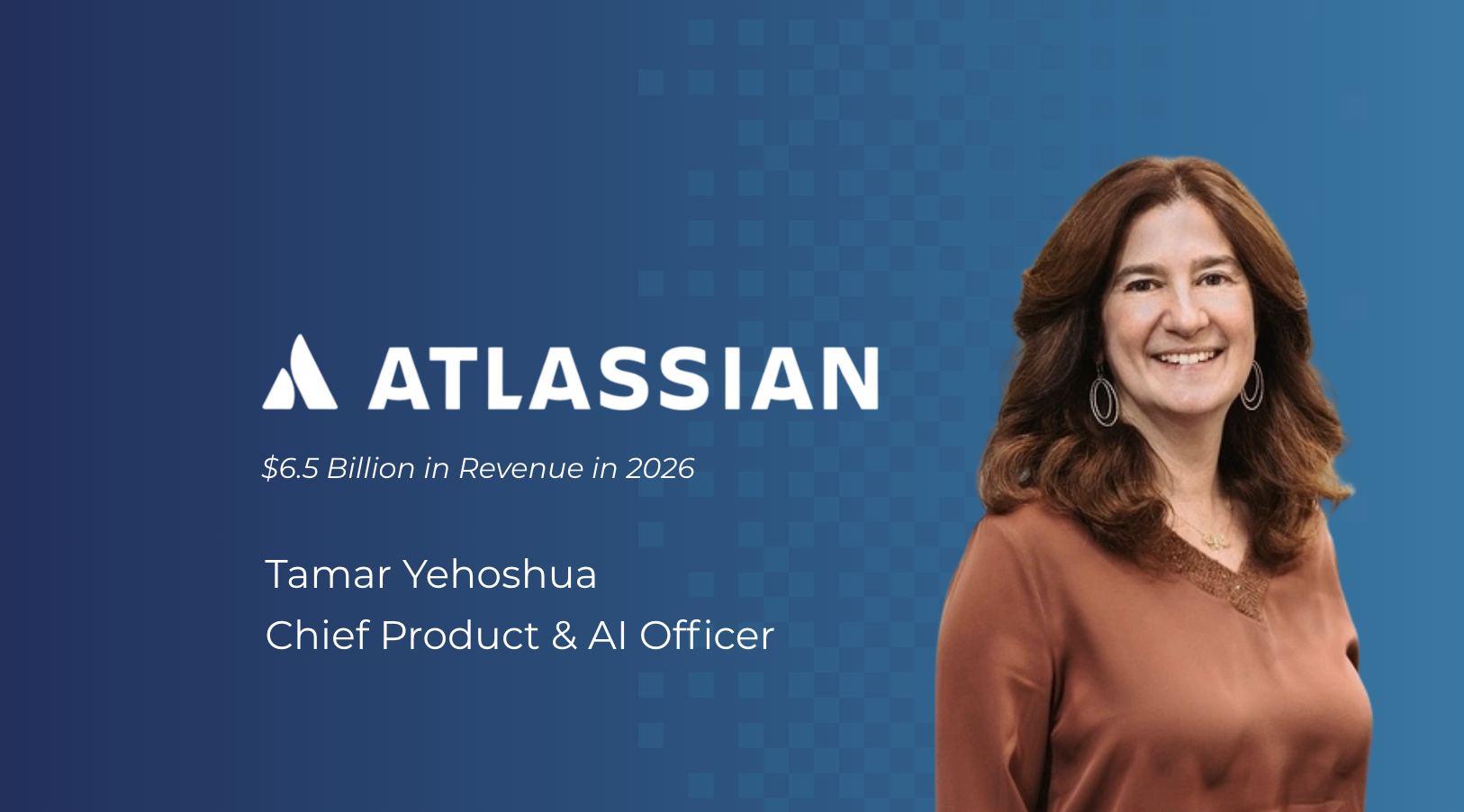
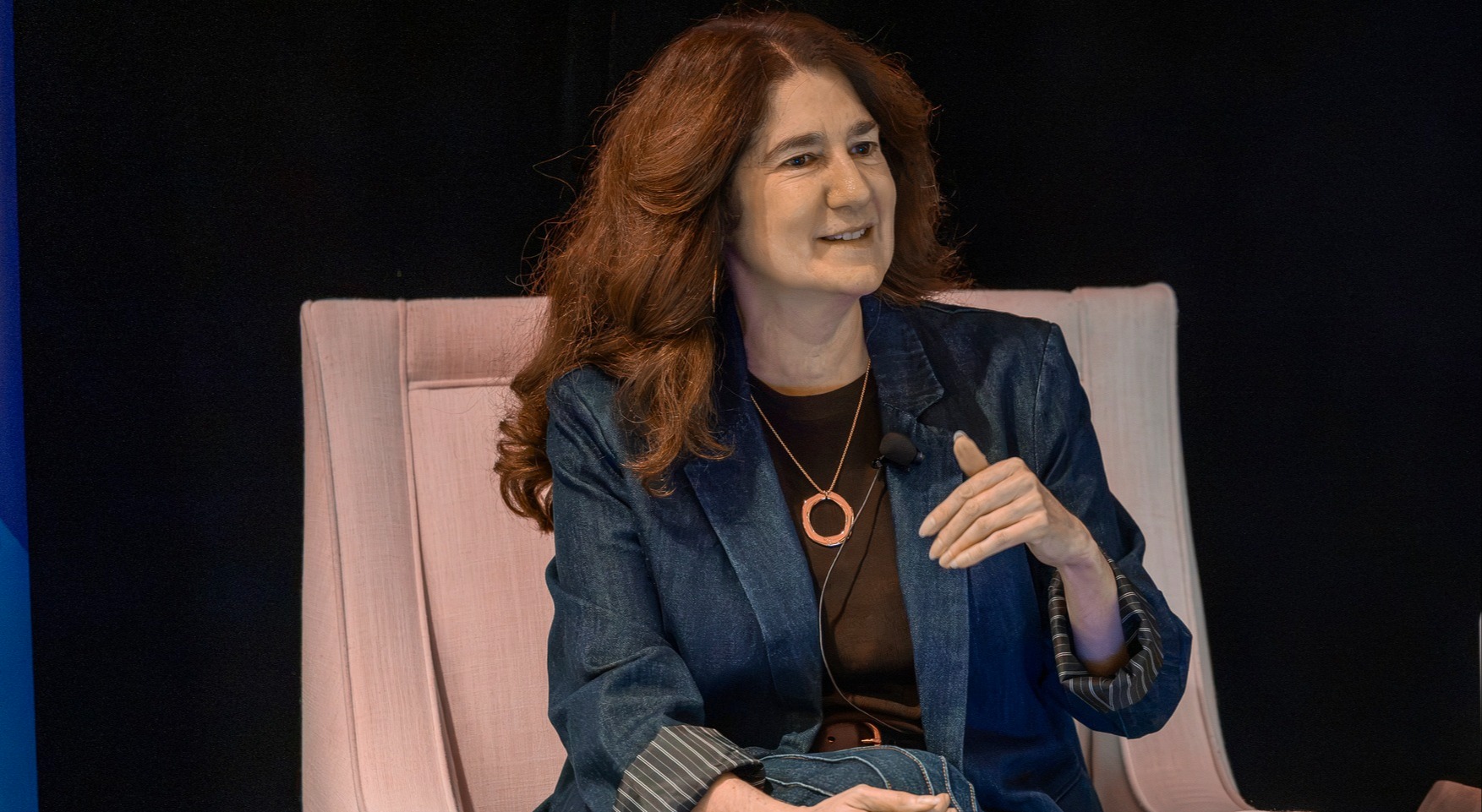
At Sierra Ventures’ CXO Summit, Tamar Yehoshua, Chief Product and AI Officer of Atlassian, spoke on a panel called “Enterprise Apps in the AI Era: The Next Wave of Software.”
Speaking to a room of Fortune 2000 CIOs and CTOs, Tamar pushed back on the idea that AI will replace enterprise software. Customers were never planning to rebuild their core tools with AI; that story came from investors and the press. What actually changed is that every team now uses coding agents, and the platforms that win will be the ones built to work with them.
Opening up to agents drives more adoption, not less
When Atlassian moved early to support MCP, the protocol that lets AI agents connect to outside tools, it sparked internal debate. Some asked whether making customer context available to any agent meant giving away a strategic advantage. Leadership’s answer: “We have to go to where our customers are.”
The bet paid off in a way few expected. Agents aren’t just reading from the platform. A significant share of their activity is writing back into it. Instead of replacing the system, agents are creating more work inside it.
Context is what makes AI work
Tamar sees organizational context as the difference between generic AI and AI that understands a company. When a model can draw on a company’s full history of issues, design docs, recordings and conversations, it hallucinates less and produces better work. It also costs less, because agents don’t burn model calls hunting for information the platform already has.
The UI is about to matter more, not less
Asked whether applications will still have a user interface in 2027, Tamar took the contrarian view: the UI will become more important. As humans and agents work side by side, people need a way to see and trust what agents are doing. “You need a new language for humans to feel comfortable,” she said. She sees building that language as the next big product design challenge.
Written By