Powering the AI Era: Andrew Feldman on the Real Limits of the Compute Race
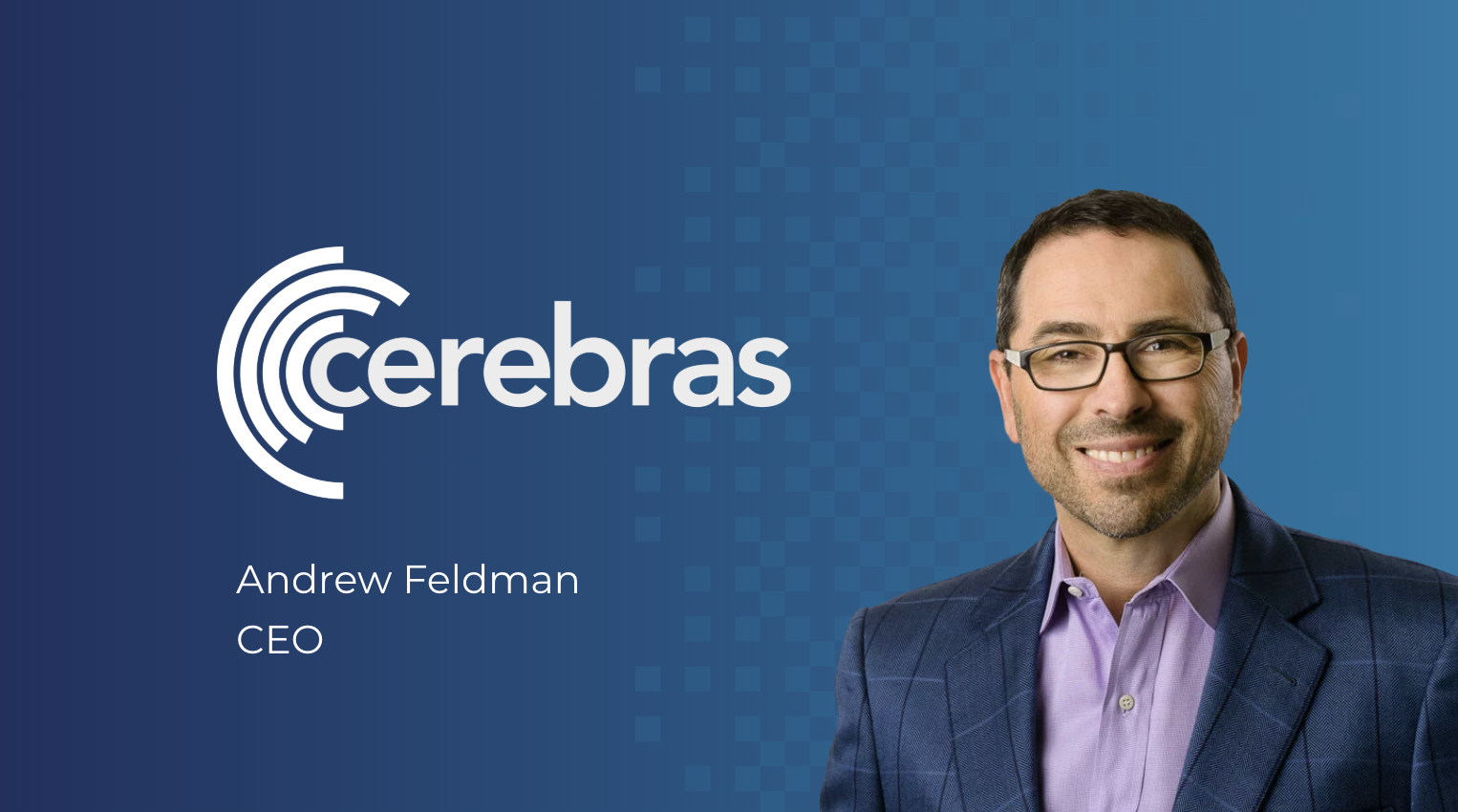
At Sierra Ventures' 21st Annual CXO Summit, Andrew Feldman, CEO and Founder of Cerebras, joined Sachin Katti, VP of Compute at OpenAI, and Dylan Patel, CEO and Founder of SemiAnalysis, for a panel on the race to build AI infrastructure. Andrew's message was direct. AI's biggest constraints are no longer the models or the chips. They are in the physical world: power, permits, equipment and the communities where data centers get built.
Software Speed Meets Real Estate Speed
Andrew described the core mismatch simply. AI teams build software, but they depend on data centers that get built at the pace of real estate and heavy industry. Switches, transformers and generators all have long lead times, and he expects the industry to stay compute constrained for at least the next year.
When the panel turned to construction risk, Andrew described how closely his team stays involved. Cerebras staff are on site every day alongside contractors, using cameras and drones to track progress. Even so, real-world building brings constant surprises. Equipment gets damaged in transit, winter conditions slow work, and replacement parts can take months to arrive. The job, he explained, is to keep all of those variables under control and start each phase before the last one is finished.
Be a Better Neighbor
Andrew was most pointed about the industry's public image. A business that depends on permits and local support can't keep sending messages that frighten people about lost jobs or runaway agents. He argued that the industry needs to communicate far better with local municipalities and simply stop saying things in public that hurt its cause.
"There's no reason that a data center ought not to be a good neighbor," he said. Data centers bring large numbers of well-paying construction jobs that communities want. And the principles of being a good neighbor are basic: clean up after yourself and don't push your costs onto others. He pointed to Canada and the Nordic countries, where communities compete to host data centers because builders there have shown the benefits. He also credited Microsoft for publishing guidance on how to be a good neighbor.
Andrew urged the industry to talk more about what AI can do for people. As one example of what's at stake, he said a generation born 20 years from now could have a real chance of never losing anyone to a drunk driver.
The Grid Is the Bottleneck
On power, Andrew was blunt: the U.S. grid is outdated and wasn't built for this kind of demand. Nobody wants to run a data center on on-site generators, he said, but many builders do because they can't get enough power from utilities.
He contrasted this with China, which he described as having a much stronger grid and being ahead on solar, batteries and hydro, even though it trails on frontier models and is constrained on compute. He also cautioned that export controls are full of unintended consequences. He pointed to restrictions on chip design software as an example of a policy that backfired.
Agents Put Pressure on the Whole Stack
Andrew offered a simple way to think about demand. Training is how AI gets made, and inference is how it gets used. As models get smarter and more useful, people use more of them. The newest consumer agents have spread at a pace rarely seen in software. And because agents make more tool calls and do more work per task, they strain everything in the data center: CPUs, switches and networking, not just accelerators.
He sees the next phase as a sign of a maturing market. Different models and different kinds of compute will be matched to different kinds of work, which is where efficiency gains come from. He compared AI orchestration to good leadership: give the easier problems to junior team members and save the hardest ones for the most experienced people. Models that can make those allocation decisions on their own, he said, would mark a very exciting point.
Edge vs. Cloud Is a False Choice
Andrew pushed back on a long-running assumption in computing: that moving work to the edge shrinks the data center. In his view that has never happened. Every app on your phone reaches back to a data center for anything hard. More compute at the edge drives more compute in the data center, not less.
He saw the rise of smaller, specialized models the same way. When experienced researchers build impressive new models, no one should be surprised. The industry is still working out which tool fits which job, and there will be room for big and small models alike.
Looking Ahead
Andrew closed on an optimistic note. So far, AI agents have mostly done things we were already doing, like buying something online or handling routine tasks. The big jump in productivity, he argued, comes when organizations reorganize around the technology and start doing things they never would have done before.
.png?width=298&height=78&name=sierra-logo%20(1).png)
![SIERRA-Logo [Navy]](https://www.sierraventures.com/hubfs/SIERRA-Logo%20%5BNavy%5D.svg)